What Are Implant-Supported Dentures?
Implant-supported dentures replace a complete row of missing or failing teeth using dental implants placed within the jawbone. Unlike conventional dentures that rest on the gums, the restoration receives its support from the implants.
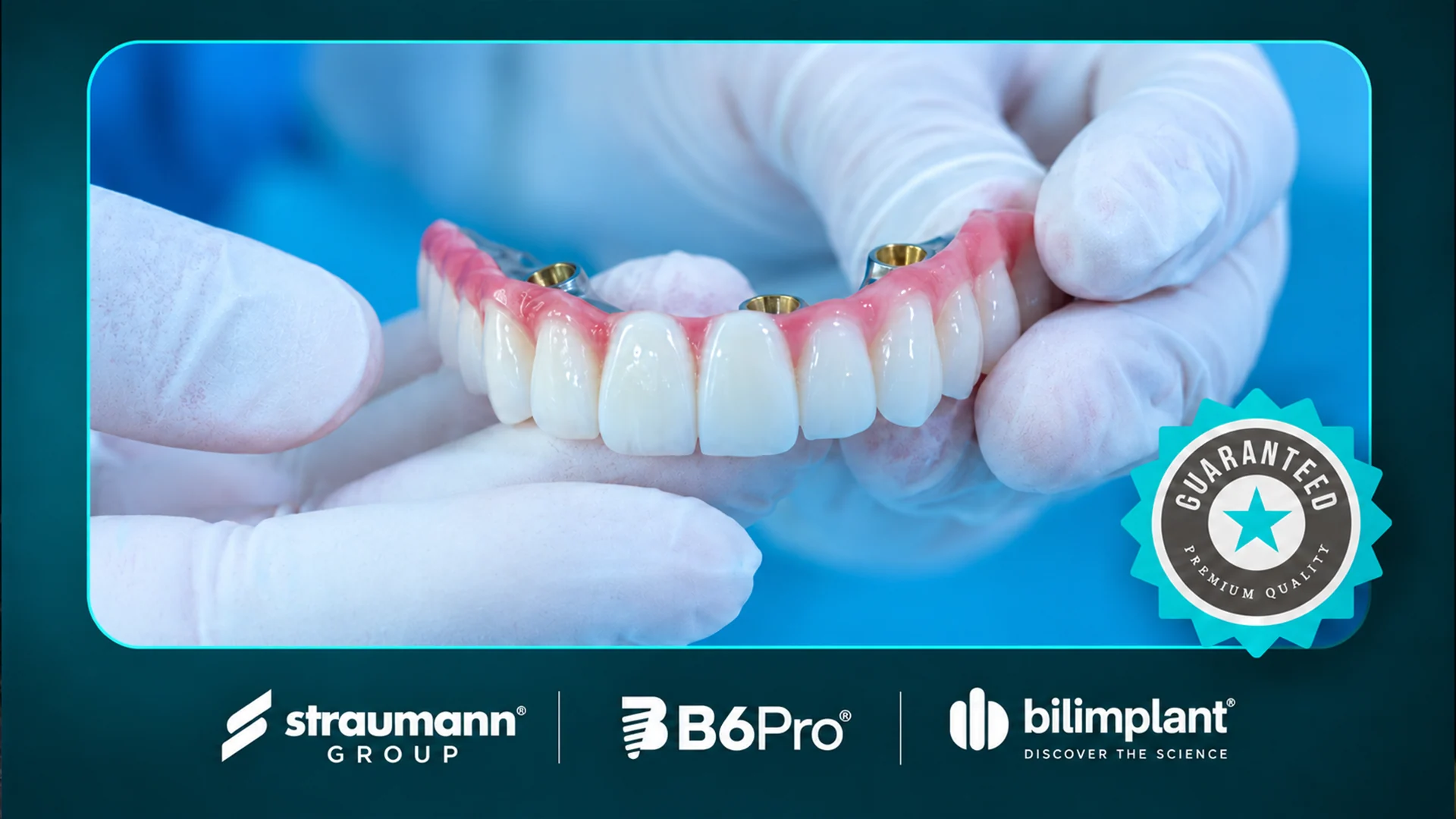
Implant-supported dentures may be removable or fixed. At DIS Levent International, this page refers specifically to a fixed full-arch restoration supported by implants and a custom titanium bar. It remains securely in your mouth and can only be removed by a dentist when professional maintenance is required.
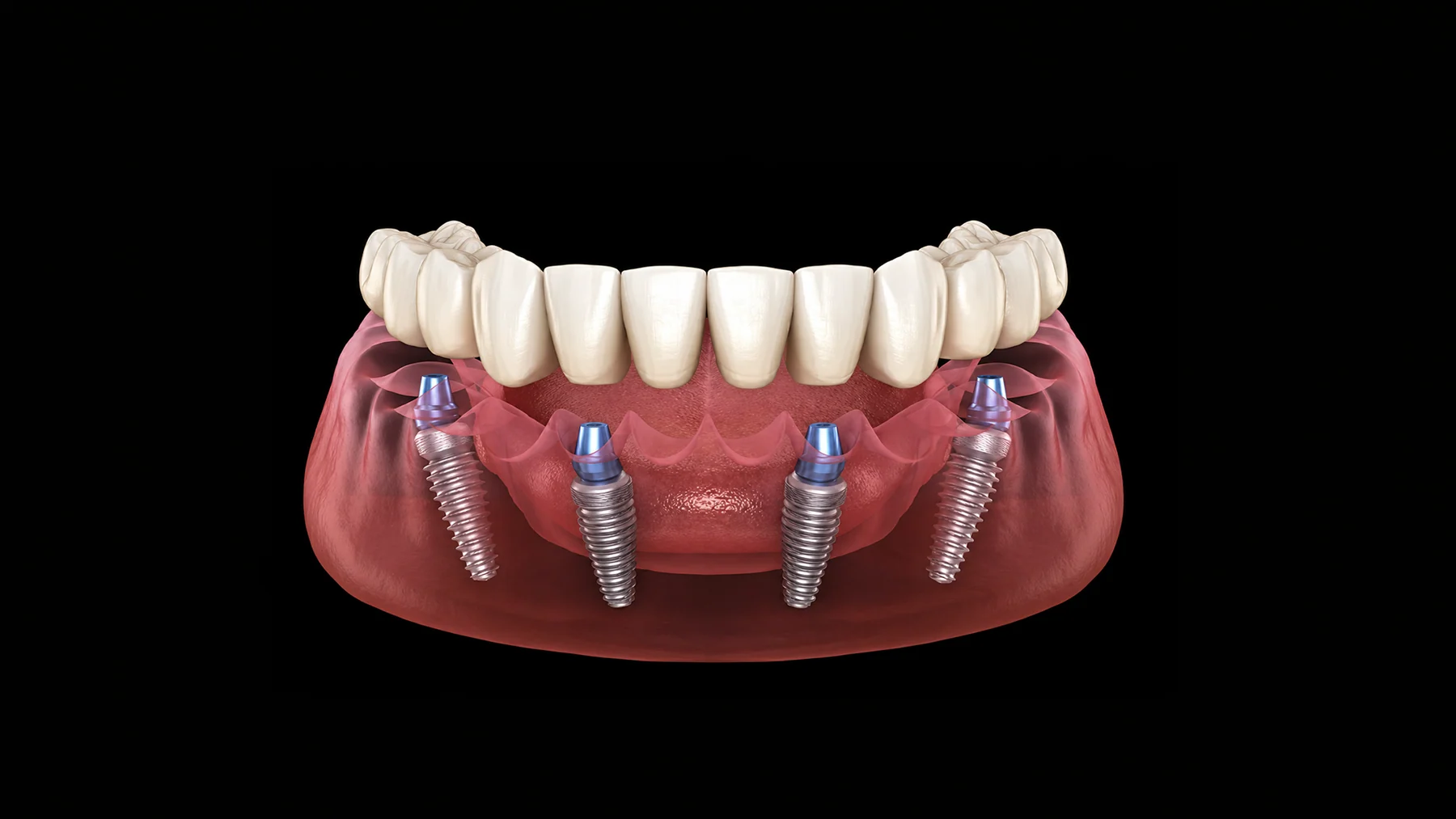
A fixed implant-supported denture normally includes four main components:
DENTAL IMPLANTS
The implants are positioned within the jawbone to support the restoration. The required number and position are planned according to bone anatomy, bite forces and the proposed final teeth.
ABUTMENTS
These components connect the dental implants to the titanium bar and full-arch restoration.
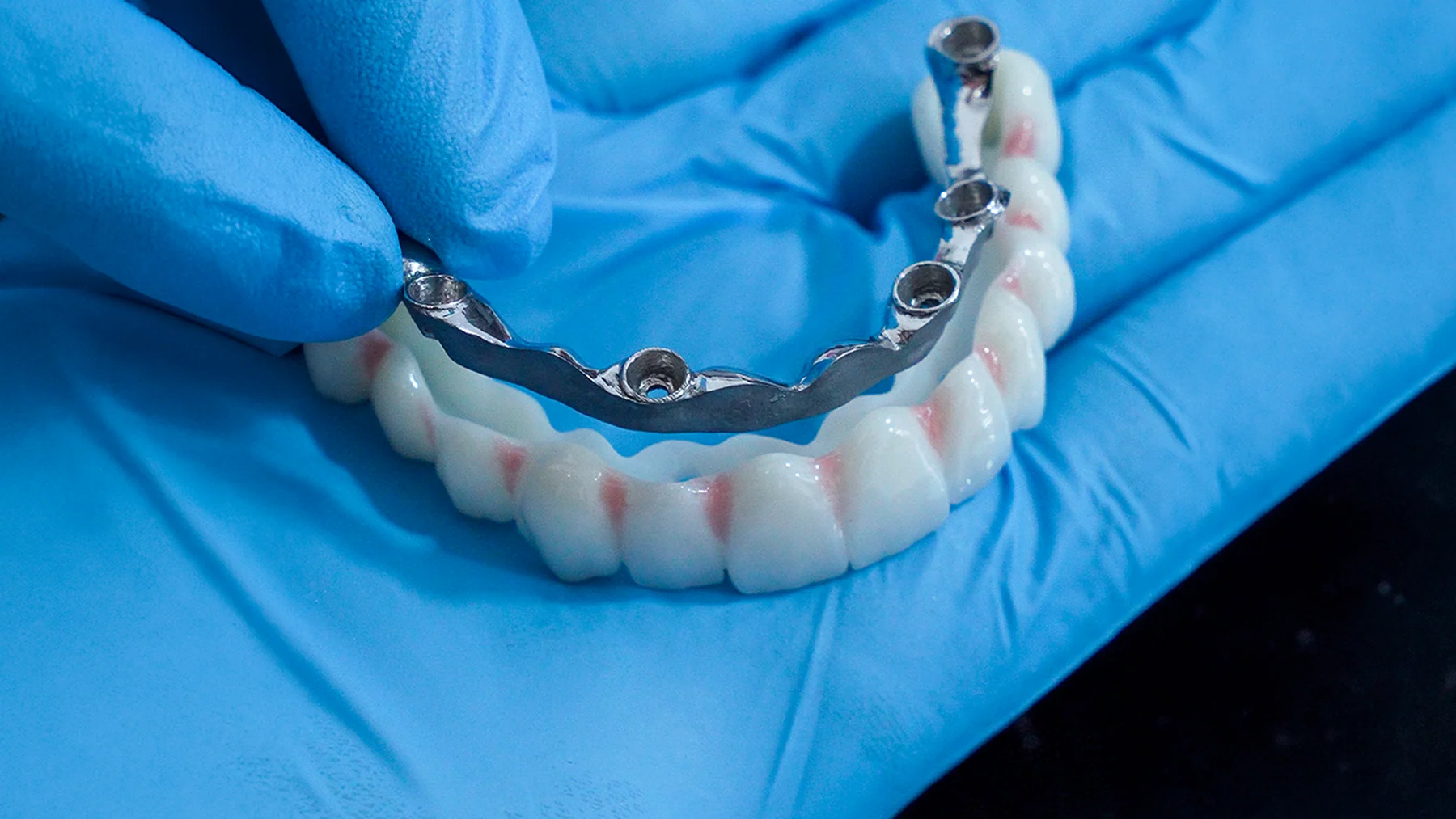
CUSTOM TITANIUM BAR
A digitally designed titanium framework connects the implants and creates a stable foundation for the complete arch.
FULL-ARCH RESTORATION
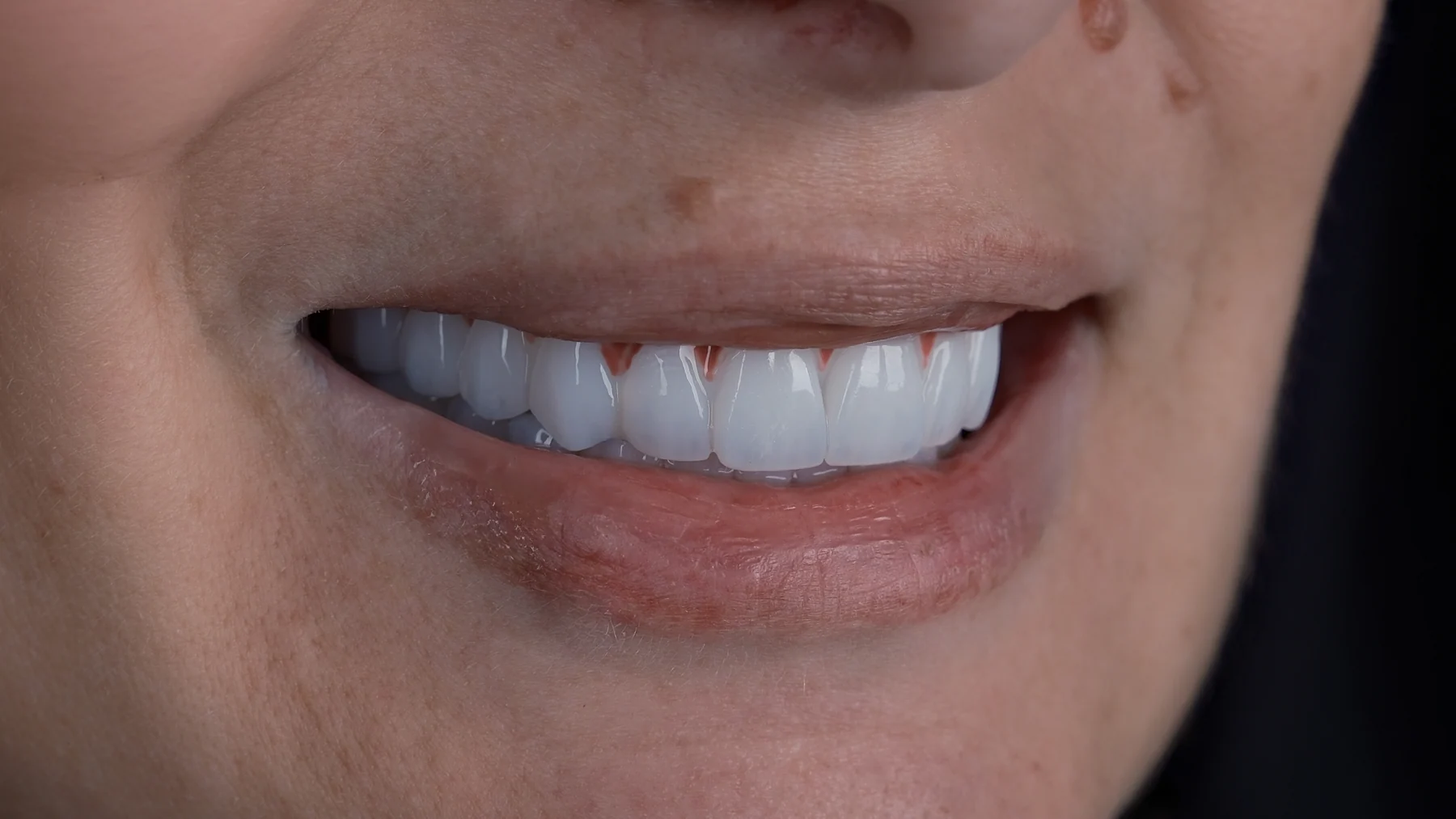
The visible teeth and gum contours are personalised according to your facial proportions, bite, smile preferences and clinical needs.
A single full-arch restoration replaces all the teeth in the upper or lower jaw. When both jaws are treated, the procedure may be described as full-mouth implant rehabilitation.
Who Is Suitable for Implant-Supported Dentures?
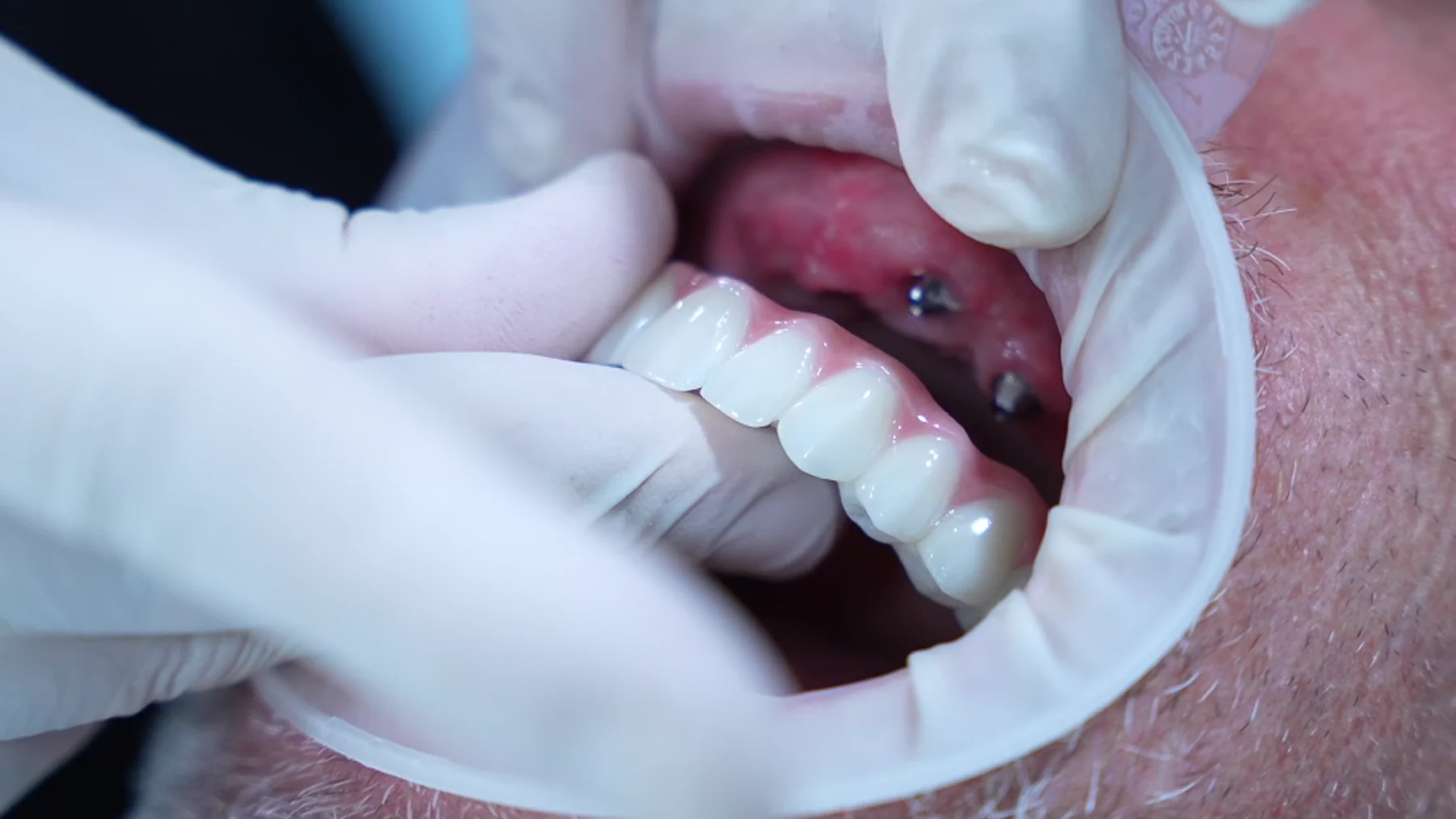
Fixed implant-supported dentures may be considered for patients who have lost most or all of their teeth, have several teeth that cannot be predictably restored or experience difficulty with loose removable dentures.
You may be suitable if you:
- Have lost all or most of the teeth in one or both jaws.
- Have severely damaged teeth that may require extraction.
- Experience movement, discomfort or reduced chewing ability with removable dentures.
- Want a fixed alternative that does not need to be removed at home.
- Want to avoid using denture adhesive.
- Have sufficient bone for implant placement or are suitable for an additional bone procedure.
- Can maintain effective daily cleaning around the restoration.
- Are medically suitable for implant surgery.
- Understand the need for regular professional maintenance.
Smoking, uncontrolled diabetes, active gum disease, certain medications and poor oral hygiene can affect healing and long-term implant health. These factors do not always prevent treatment, but they must be evaluated carefully.
Patients with severe upper-jaw bone loss may require bone grafting, alternative implant positions or zygomatic implants. A clinical examination and CBCT scan are necessary before the most appropriate option can be selected.
Explore Zygomatic Implants for Severe Bone Loss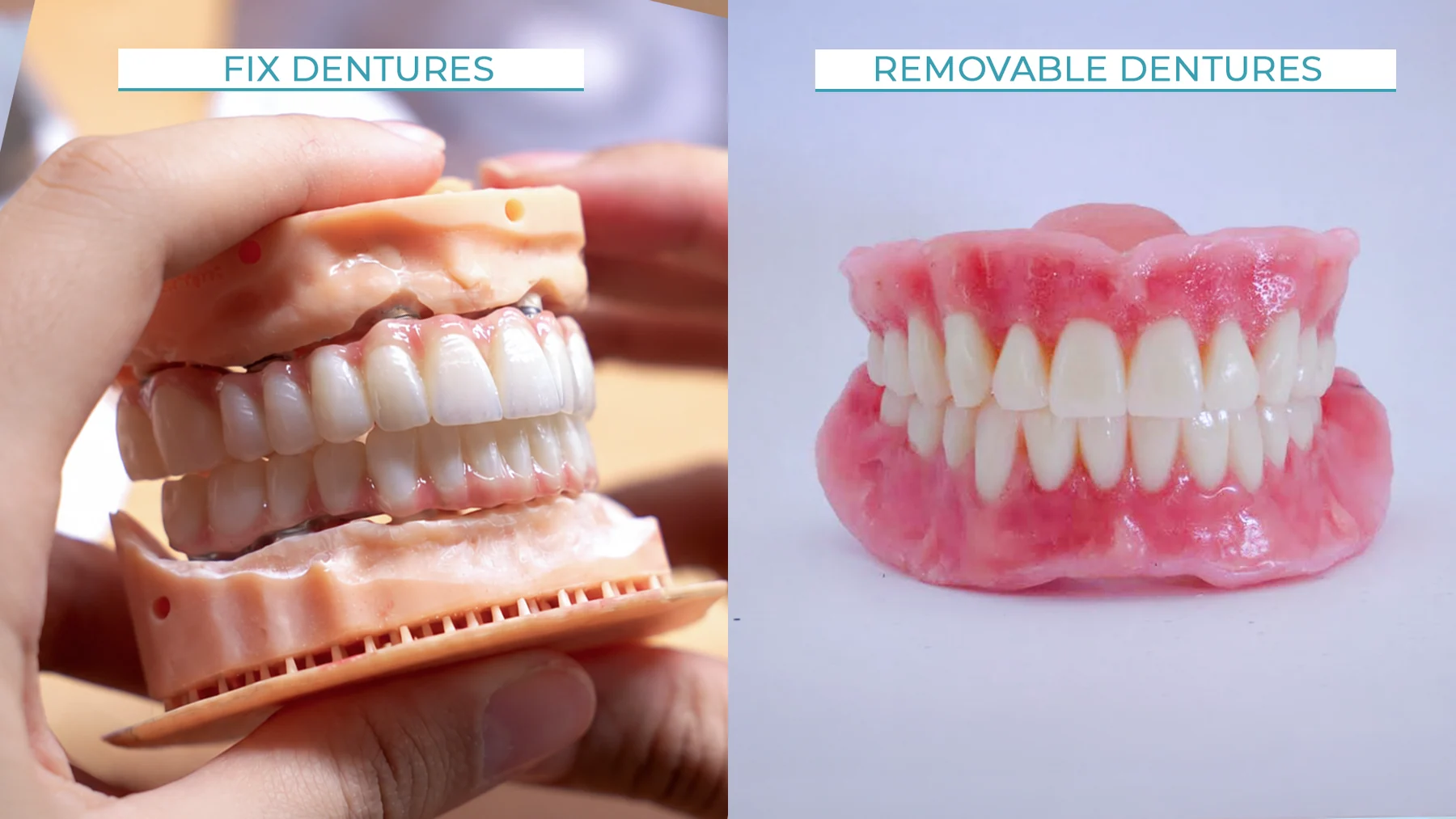
Fixed vs Removable Implant-Supported Dentures
The word “dentures” can describe several different treatments. Understanding how each option is supported and whether it can be removed helps you compare treatment plans accurately.
CONVENTIONAL REMOVABLE DENTURES
Conventional dentures rest directly on the gums and are removed by the patient for cleaning and sleeping. They do not require implant surgery, but some patients may experience movement, pressure or reduced confidence when eating and speaking.
REMOVABLE IMPLANT-RETAINED DENTURES
These are sometimes called snap-on dentures or implant overdentures. They attach to implants for greater retention but can still be removed by the patient for daily cleaning.
FIXED IMPLANT-SUPPORTED DENTURES
A fixed implant-supported denture is attached securely to the implants through a supporting framework. It remains in the mouth throughout daily life and is only removed by a dentist when professional maintenance or repair is required.
At DIS Levent International, our titanium bar solution is designed for patients seeking the stability of fixed teeth rather than a removable snap-on denture. The most suitable option still depends on your bone anatomy, general health, cleaning ability, expectations and budget.
How Does a Titanium Bar Support Fixed Implant Dentures?
The titanium bar is the supporting framework positioned between the dental implants and the visible full-arch restoration. It is custom-designed according to the exact location of the implants, the available restorative space and the planned bite.
By connecting the implants, the bar creates a stable foundation for the complete arch and helps distribute chewing forces across the implant-supported restoration. Its shape must also allow appropriate cleaning access around the implants and beneath the fixed teeth.
At DIS Levent International, digital scans and implant-position records are used to communicate detailed information between the surgeon, restorative dentist and dental laboratory. The bar and final restoration are planned together rather than as separate components.
The titanium framework normally remains beneath the visible restoration and is not noticeable when you smile.
IS THIS THE SAME AS ALL-ON-4 OR ALL-ON-6?
Not exactly. All-on-4 and All-on-6 describe treatment concepts based on the number and distribution of implants supporting a complete arch. Implant-supported dentures describe the restorative solution placed on those implants.
A titanium bar may be used as part of an All-on-4, All-on-6 or another individually planned full-arch treatment. The appropriate number of implants should be determined by your bone anatomy, bite and restorative requirements rather than by selecting a standard number before examination.
Explore All-on-6 Dental Implants in Turkey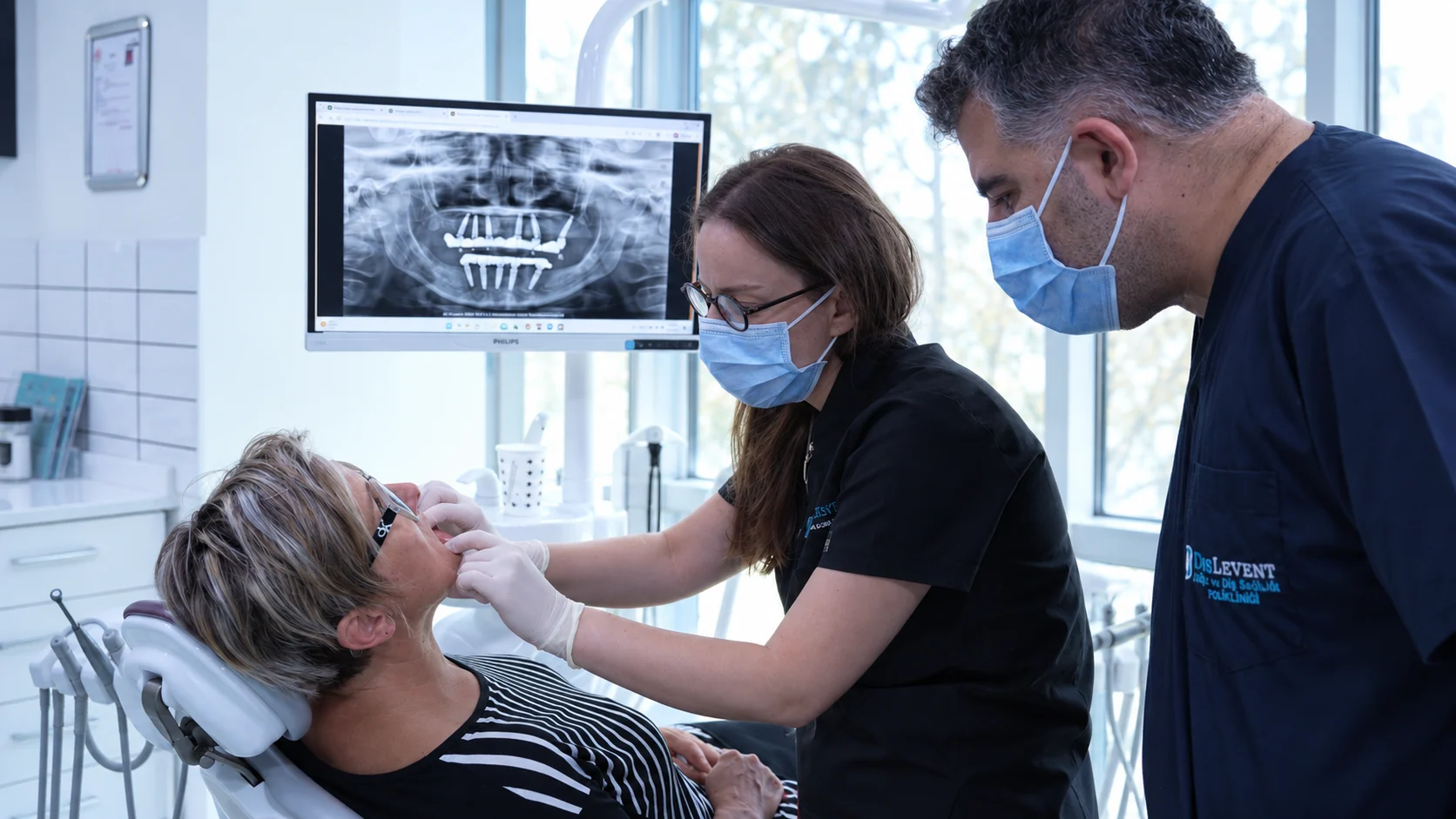
Implant-Supported Denture Procedure in Turkey
REMOTE CONSULTATION
Share photographs of your smile and any recent panoramic X-rays, CBCT scans or dental reports you have available. Our clinical team reviews your records and prepares a preliminary treatment outline.
The remote assessment provides initial guidance but does not replace a physical examination.
CLINICAL EXAMINATION AND 3D IMAGING
When you arrive in Istanbul, your teeth, gums, bite and jawbone are examined. CBCT imaging is used to assess available bone and important anatomical structures such as nerves and sinuses.
Your treatment alternatives, implant number, possible additional procedures, temporary teeth and expected timeline are explained before treatment begins.
PREPARATORY TREATMENT
Teeth that cannot be retained may need to be extracted. Some patients may also require gum treatment, bone grafting or a sinus lift before or during implant placement.
Not every patient requires these additional procedures.
IMPLANT PLACEMENT
The dental implants are placed in their planned positions, usually under local anaesthesia. Sedation may be considered for suitable patients when clinically appropriate.
The implant number and distribution are selected according to the available bone and the design of the final restoration.
TEMPORARY TEETH
When the implants achieve sufficient initial stability and the bite can be managed safely, a fixed temporary full-arch restoration may be fitted.
If immediate fixed temporary teeth are not clinically appropriate, an alternative temporary restoration may be provided during healing.
HEALING AND OSSEOINTEGRATION
The implants are given time to integrate with the surrounding jawbone. This commonly takes several months.
You return home during this period, so you do not need to remain in Türkiye throughout the biological healing process.
DIGITAL RECORDS AND FINAL RESTORATION
After healing has been confirmed, detailed digital records are taken for the titanium bar and final full-arch restoration.
The fit, bite, appearance, speech and cleaning access are evaluated before the final restoration is completed and attached.
Temporary Fixed Teeth, Treatment Timeline and Visits
Implant-supported denture treatment is generally completed across two visits to Istanbul, with a healing period between them. The exact schedule depends on whether extractions, bone procedures or other preparatory treatments are required.
FIRST VISIT
The first visit includes your final examination, three-dimensional imaging, any necessary extractions and implant placement. For suitable patients, a fixed temporary restoration may also be provided during this visit.
Your recommended length of stay is confirmed in your personalised treatment plan.
HEALING PERIOD
Osseointegration commonly takes approximately three to six months. Bone quality, implant stability, smoking, medical conditions and additional surgical procedures can affect this period.
You can return home while the implants heal. Your clinical team will explain how to clean your temporary teeth, what to eat and how to protect the implants during this stage.
SECOND VISIT
The second visit is arranged after implant integration has been confirmed. Digital records are taken and the titanium bar and final teeth are produced, tried in and adjusted.
The bite, facial support, tooth position, shade and cleaning access are checked before the final restoration is fitted.
TEMPORARY TEETH ARE NOT THE FINAL TEETH
Temporary fixed teeth support appearance and basic function during healing, but they are not designed for unrestricted chewing. A softer diet and careful use are necessary while the implants integrate.
Immediate temporary teeth do not shorten the biological healing process. The final titanium bar restoration is fitted only after sufficient healing has been confirmed.
How Much Do Implant-Supported Dentures Cost in Turkey?
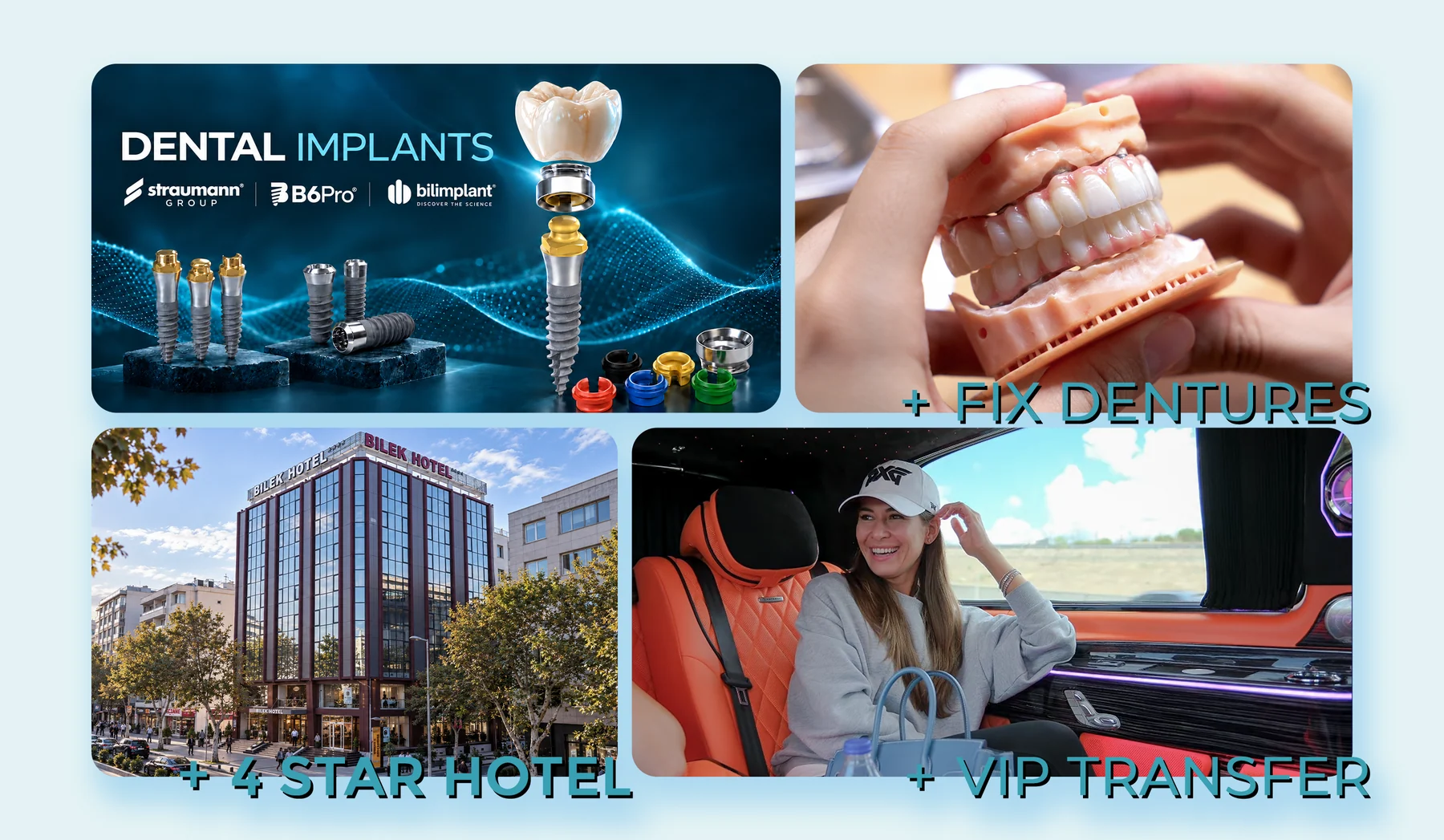
The cost of implant-supported dentures in Turkey depends on the number of implants, implant system, condition of the jawbone, temporary restoration and design of the final titanium bar prosthesis.
Factors affecting the total price can include:
- Whether one or both jaws are being treated.
- The number and position of implants.
- The implant brand and components selected.
- Tooth extractions required before implant placement.
- Bone grafting or sinus lift procedures.
- The design and material of the temporary teeth.
- The titanium bar and final restorative material.
- The number of visits and accommodation arrangements.
- Sedation or additional medical requirements where appropriate.
A low advertised price may not include the implants, temporary teeth, abutments, titanium framework and final restoration as a complete treatment. Patients should therefore compare written, itemised plans rather than headline prices alone.
TRANSPARENT TREATMENT PLAN
Before you travel, you receive a preliminary treatment plan and itemised quotation based on the dental records you provide. Any additional treatments that could reasonably become necessary are discussed in advance, helping you understand the possible cost range before booking.
Your treatment and final cost are confirmed after the dentist’s examination in Istanbul. When the records provided accurately represent your current dental condition, the confirmed plan will normally remain close to the preliminary quotation. If an unexpected clinical finding requires a change, it is explained before treatment continues.
WHAT IS INCLUDED?
Our relevant implant treatment packages include:
- Complimentary remote consultation.
- Clinical examination.
- Diagnostic imaging and digital scans.
- Dental implant placement.
- Temporary teeth.
- Final implant-supported restoration.
- Airport and clinic transfers.
- Multilingual patient support.
- A total of 10 nights’ accommodation across the treatment visits.
Flights are not included. Your written quotation will clearly confirm the treatment, materials, accommodation and services included in your individual package.
Benefits of Fixed Implant-Supported Dentures
For suitable patients, fixed implant-supported dentures can provide a more stable alternative to conventional removable dentures. The expected benefits depend on the patient’s oral health, implant position, restorative design and long-term care.
STABILITY WITHOUT DENTURE ADHESIVE
The restoration is supported by dental implants rather than relying only on the gums, suction or denture adhesive.
IMPROVED CHEWING COMFORT
A stable full-arch restoration can improve chewing comfort for patients who have experienced movement with removable dentures. Adaptation is gradual, and very hard foods may still need to be approached carefully.
FIXED TEETH THROUGHOUT DAILY LIFE
The restoration remains in your mouth and does not need to be removed at night. Only a dentist removes it when professional maintenance or repair is required.
PERSONALISED SMILE DESIGN
Tooth shape, shade, tooth display, gum contours and facial support are planned according to your individual features. The goal is not to produce the same smile for every patient but to create a result that suits your face, bite and expectations.
SUPPORT AROUND THE IMPLANTS
Dental implants transfer functional forces to the surrounding bone and can help maintain bone around the implant sites. Regular cleaning and professional monitoring remain essential for protecting the gums and bone.
GREATER CONFIDENCE IN SOCIAL SITUATIONS
Reducing denture movement can help patients feel more comfortable when speaking, smiling and eating with other people.
Recovery, Cleaning and Long-Term Maintenance
Swelling, tenderness, bruising or mild discomfort can occur during the first few days after implant surgery. The extent of these effects depends on the number of implants, extractions and any additional surgical procedures.
Your aftercare instructions may include:
- Taking prescribed medication exactly as directed.
- Using cold compresses if recommended.
- Eating soft foods during early healing.
- Avoiding pressure on the temporary restoration.
- Avoiding smoking because it can interfere with healing.
- Following the cleaning routine demonstrated by the clinical team.
- Contacting the clinic if you experience unexpected or persistent symptoms.
HOW DO YOU CLEAN FIXED IMPLANT-SUPPORTED DENTURES?
Although the restoration cannot be removed at home, it must be cleaned every day. Plaque can collect around the implants and underneath the full-arch restoration.
Depending on the design, your dentist may recommend:
- A soft manual or electric toothbrush.
- Interdental brushes suitable for the available spaces.
- Implant floss or super floss.
- A water flosser as an additional cleaning aid.
- A personalised cleaning routine for the area beneath the restoration.
Our clinical team demonstrates the appropriate technique before you leave the clinic.
PROFESSIONAL MAINTENANCE
Fixed implant-supported dentures require regular dental examinations and professional cleaning. Your dentist should monitor the gums, bone levels, bite, implant components and condition of the restoration.
The restoration may occasionally need to be removed by a dentist for detailed cleaning, inspection or repair. Screws and restorative components can also require maintenance over time.
If you grind or clench your teeth, a protective night guard may be recommended and provided by our clinic when clinically appropriate. This can help reduce excessive forces on the implants and restoration.
Risks and Important Considerations
Implant-supported denture treatment involves oral surgery and a complex full-arch restoration. Possible risks and complications should be discussed before treatment.
These may include:
- Infection or delayed healing after surgery.
- Failure of an implant to integrate with the bone.
- Injury to nearby nerves, sinuses, teeth or other structures.
- Gum inflammation or bone loss around an implant.
- Temporary changes in speech or bite during adaptation.
- Loosening or wear of screws and other components.
- Chipping, wear or fracture of the temporary or final restoration.
- Food collecting beneath the restoration if cleaning is inadequate.
- The need for adjustment, repair or replacement of restorative components.
- Changes to the preliminary plan following the clinical examination.
Smoking, uncontrolled gum disease, certain medical conditions, poor oral hygiene and heavy bite forces may increase risk.
No implant-supported restoration can be guaranteed to last for life. Long-term outcomes depend on careful planning, implant integration, daily cleaning, bite control and regular professional maintenance.
Why Choose DIS Levent International for Implant-Supported Dentures?
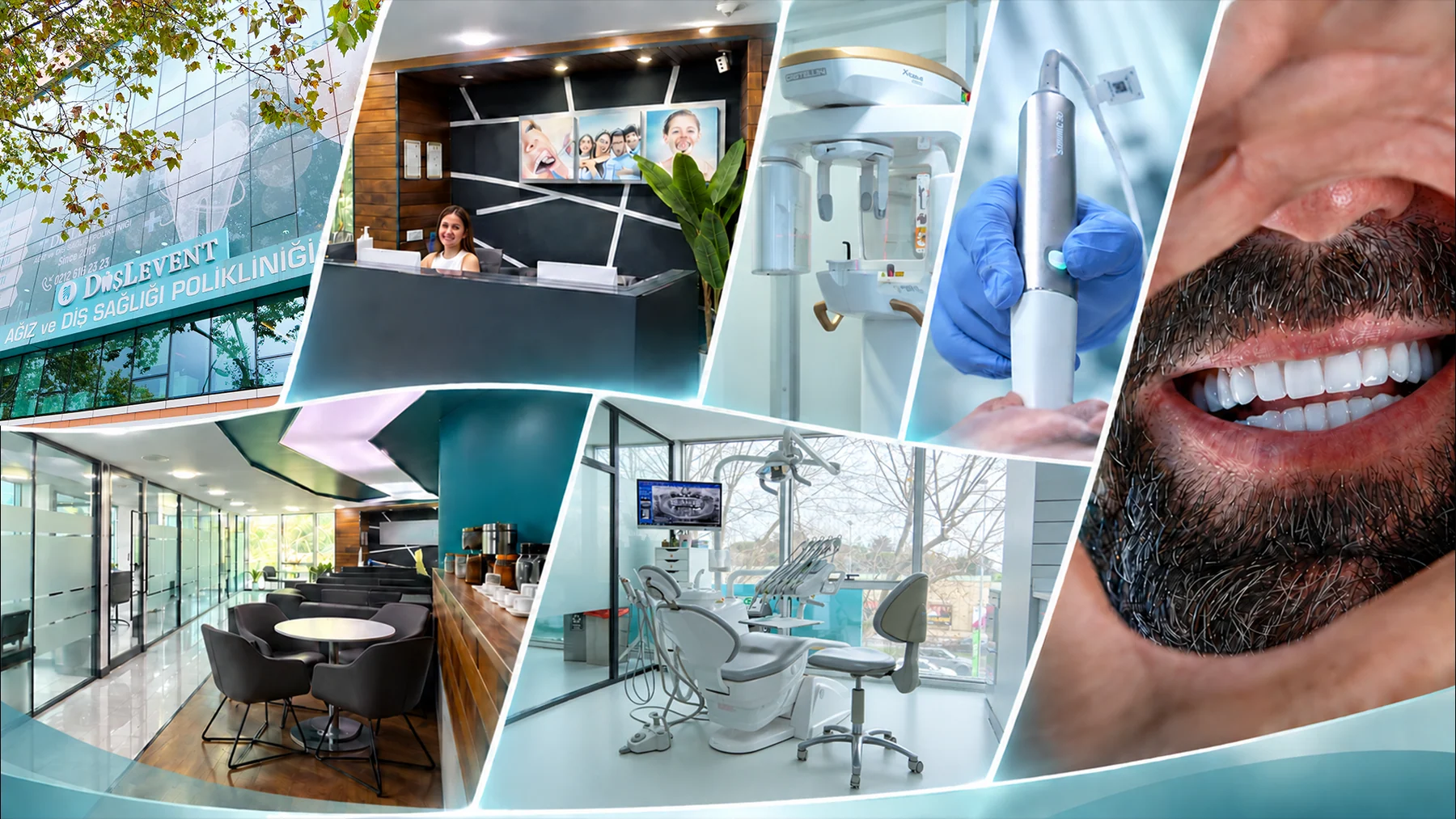
Successful full-arch treatment requires implant surgery, restorative planning and laboratory production to work together. At DIS Levent International, these stages are coordinated within one clinic by a multidisciplinary dental team.
ORAL AND MAXILLOFACIAL SURGERY TEAM
Your implant positions are planned by clinicians experienced in oral surgery and full-mouth implant treatment. Bone anatomy, implant stability, bite forces and the proposed final restoration are evaluated together before surgery begins.
Whether you need to replace missing teeth in one arch or require complete full-mouth implant rehabilitation, your treatment starts with an individual clinical assessment rather than a standard implant package.
ADVANCED DIGITAL TECHNOLOGY
Our digital workflow includes in-clinic CBCT imaging, SHINING 3D and iTero intraoral scanners and iCam4D photogrammetry for suitable full-arch cases.
These technologies help the team evaluate bone anatomy, record implant positions and communicate precise information during the design of temporary teeth, the titanium bar and the final restoration.
Digital technology supports detailed diagnosis and coordination, but it does not replace clinical experience or guarantee a specific result.
OUR DIGITAL DENTAL LABORATORY
In our digital dental laboratory, technology, precision and craftsmanship come together to create personalised implant-supported restorations.
Direct communication between the dentist and laboratory team allows the fit, bite, tooth position, shade and facial support to be reviewed throughout production. Adjustments can be discussed without sending the patient to an unrelated external provider.
MULTIDISCIPLINARY CARE IN ONE CLINIC
In many clinics, patients may need to visit different centres when additional periodontal, surgical or restorative treatment is required.
At DIS Levent International, professionals working across oral and maxillofacial surgery, periodontology, restorative dentistry, aesthetic dentistry and other dental disciplines can coordinate your treatment under one roof. This is particularly important for full-mouth cases in which gum health, bone, implant position and final teeth must be considered together.
PERSONALISED FULL-ARCH DESIGN
Fixed teeth should not look identical on every patient. Tooth size, shape, shade, gum contours, facial proportions, lip movement and bite are evaluated when planning your restoration.
Your temporary teeth also give the clinical team an opportunity to assess appearance, speech and function before completing the final restoration.
TRANSPARENT TREATMENT PLANNING
You receive a preliminary treatment plan and itemised quotation before travelling. Possible additional procedures are discussed in advance so you understand the potential treatment range.
After your clinical examination, any necessary changes are explained clearly before treatment proceeds. The implant system and restorative materials selected for your case are documented.
SUPPORT IN YOUR OWN LANGUAGE
A member of our international patient team remains available to communicate with you throughout your treatment journey.
Our English-speaking doctors and multilingual interpreters help you explain your expectations, concerns and needs clearly. They also support communication with the clinical and administrative teams before, during and after your visits to Istanbul.
Implant-Supported Dentures Before and After Results
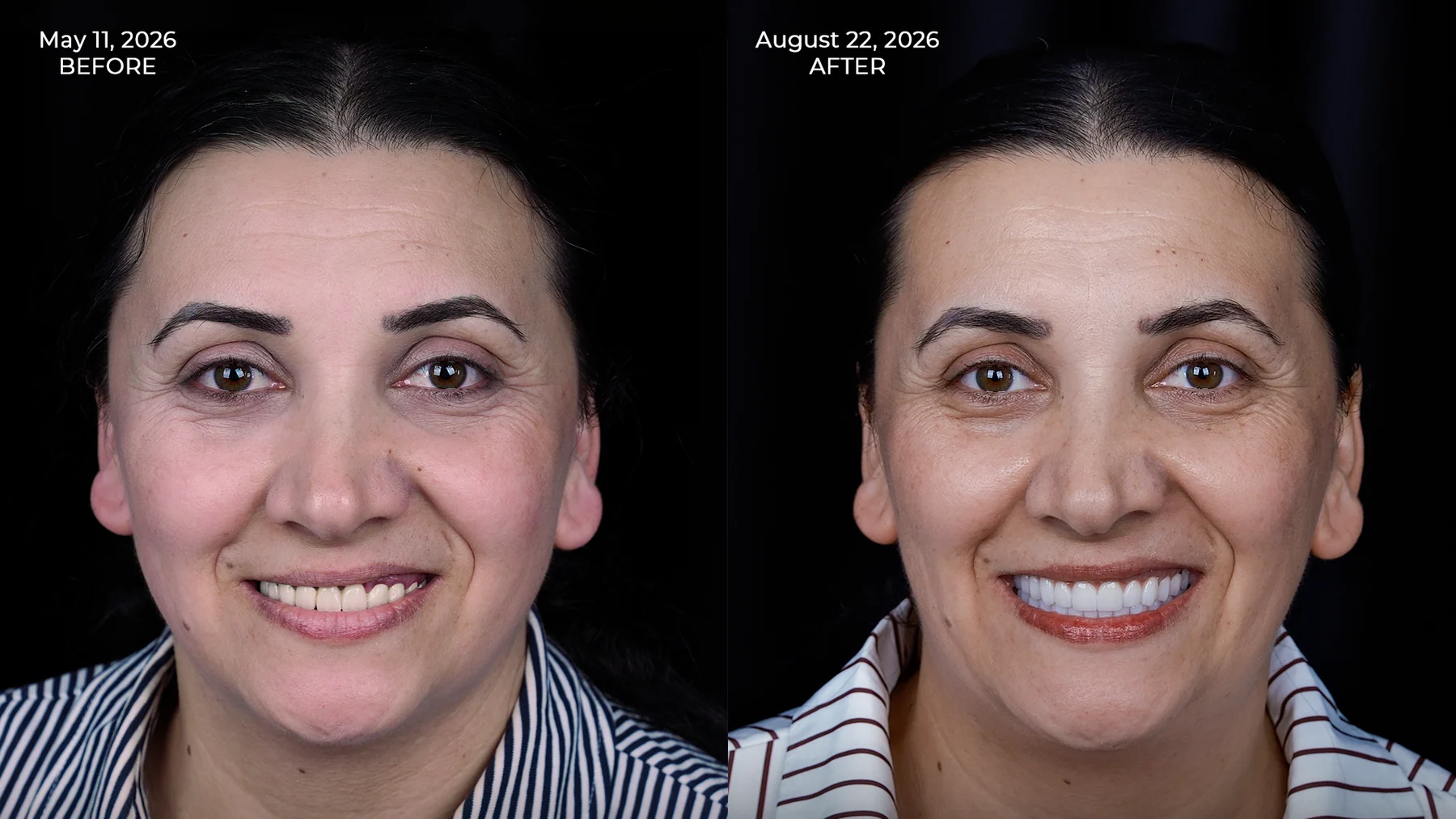
Explore before-and-after cases from patients who received fixed full-arch implant restorations at DIS Levent International.
Every patient begins with a different dental condition, bone anatomy, facial structure and treatment requirement. Photographs show individual outcomes and do not guarantee that another patient will receive the same result.
Your expected treatment options can only be determined after your dental records, clinical examination and three-dimensional imaging have been evaluated.
Frequently Asked Questions About Implant-Supported Dentures in Turkey
What are implant-supported dentures?+
Implant-supported dentures replace a complete row of missing teeth using dental implants for support. They may be fixed or removable. At DIS Levent International, our titanium bar treatment refers to a fixed full-arch restoration that can only be removed by a dentist.
Are implant-supported dentures fixed or removable?+
Both types exist. Snap-on implant dentures can be removed by the patient, while fixed implant-supported dentures remain securely attached to the implants. This page describes our fixed titanium bar solution.
How many implants are needed for implant-supported dentures?+
A complete arch is commonly supported by a planned number of implants, often four or six, but the correct number varies. Bone anatomy, implant distribution, bite forces and the design of the final restoration must be considered before the number is confirmed.
Are implant-supported dentures the same as All-on-4 or All-on-6?+
Not exactly. All-on-4 and All-on-6 describe treatment concepts using a specific number of implants. Implant-supported dentures describe the teeth or full-arch restoration supported by those implants. A fixed titanium bar restoration may form part of an All-on-4, All-on-6 or individually planned treatment.
What is a titanium bar-supported denture?+
It is a full-arch restoration supported by a custom titanium framework connected to dental implants. The bar links the implants and provides a stable foundation for the visible teeth. In our fixed treatment, the patient does not remove the restoration at home.
Is the titanium bar visible?+
The titanium bar is normally positioned beneath the visible restoration and should not be noticeable when you smile. Its exact design depends on implant positions, available space and the planned final teeth.
How much do implant-supported dentures cost in Turkey?+
The cost depends on whether one or both jaws are treated, the number of implants, implant brand, bone condition, temporary teeth, titanium bar and final restorative material. A personalised quotation is prepared after your records have been reviewed and confirmed following your examination in Istanbul.
How long does the treatment take?+
Treatment is commonly divided into two visits with a healing period of approximately three to six months. You return home during healing and do not need to remain in Türkiye throughout this period. Additional procedures may extend the overall timeline.
Can I receive temporary fixed teeth immediately?+
Many patients may be suitable for fixed temporary teeth following implant placement. This depends on bone quality, implant stability, bite forces and the absence of factors that could compromise healing. If fixed temporary teeth are not appropriate, an alternative temporary solution will be discussed.
Can I have implant-supported dentures if I have bone loss?+
Possibly. Depending on the location and severity of bone loss, the plan may involve bone grafting, a sinus lift, alternative implant positions or zygomatic implants. A CBCT scan is required to determine the suitable approach.
Can I eat normally with fixed implant-supported dentures?+
After healing and adaptation, fixed implant-supported dentures can provide greater chewing stability than loose removable dentures. You will initially follow a softer diet, particularly while wearing temporary teeth. Very hard or damaging foods should still be approached carefully.
How do I clean implant-supported dentures if they are fixed?+
The restoration is cleaned with a toothbrush and additional tools recommended for the spaces around the implants and beneath the full arch. These may include interdental brushes, implant floss or a water flosser. Daily cleaning and regular professional maintenance are essential.
How long do implant-supported dentures last?+
Dental implants and full-arch restorations are designed for long-term use, but their lifespan varies. Gum health, implant stability, bite forces, grinding, smoking, oral hygiene and professional maintenance all affect longevity. Screws, teeth or other restorative components may require maintenance, repair or replacement over time.
What is included in the implant-supported dentures Turkey package?+
Our relevant package includes remote consultation, clinical examination, diagnostic imaging, digital scans, implant placement, temporary teeth, the final implant-supported restoration, transfers, multilingual support and a total of 10 nights’ accommodation across your treatment visits. Flights are not included, and your itemised quotation will confirm all individual inclusions.